Plots in Salamanca - buy, sell or rent easily

Find plots by category in Salamanca (Province)


Plots for sale with most wanted features


Latest publications of land and houses for sale in Salamanca (Province)


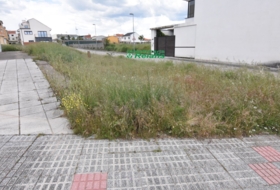
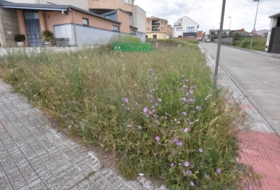
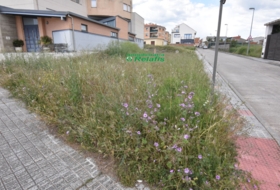
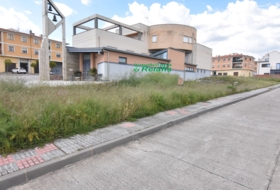
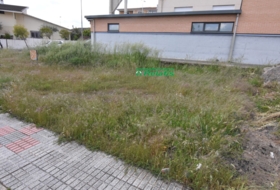
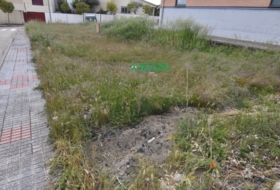
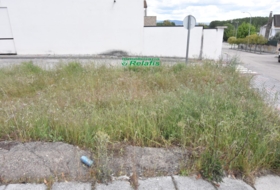
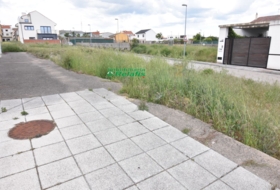
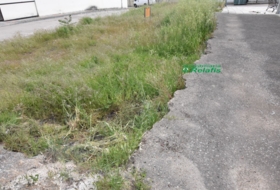
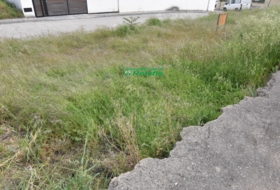
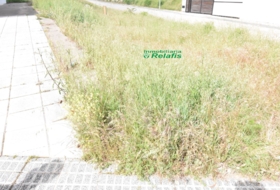
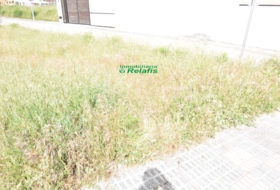

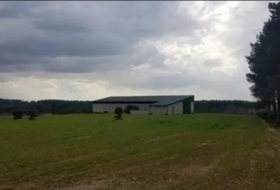
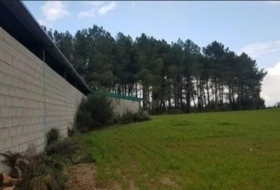




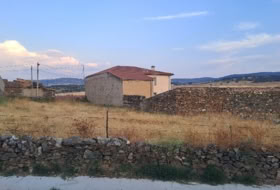
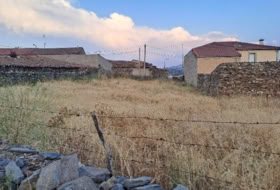
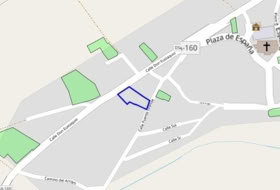
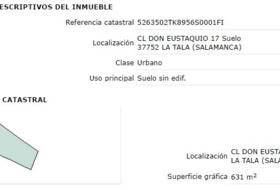
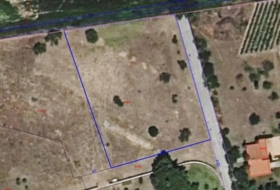
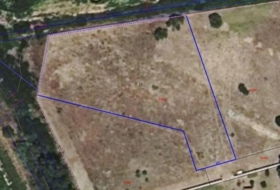
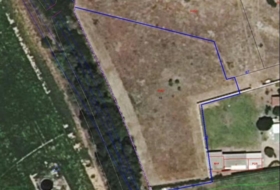
Where to buy land in Salamanca
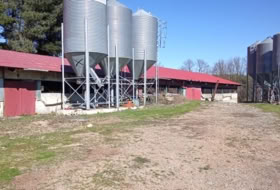
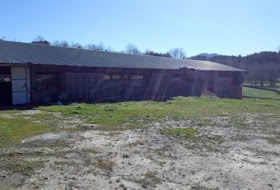
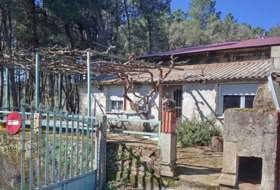
The average price of urban land in Salamanca is one of the most like the average in Castilla y León, with just over €50/m². The highest value urban plots for sale are found in various locations, such as Ciudad Rodrigo, Buenavista, Arabayona de Mógica and Villares de la Reina. Building plots have similar figures to the urban area because they are concentrated in the same localities and have a high demand.
The cheapest land for sale in Salamanca is in Villar de Ciervo, with €0.10/m²; Vilvestre, with €0.40/m²; Villar de la Yegua, Cabrerizos and Ciudad Rodrigo, with €0.60/m²; Béjar, with €0.70/m²; Pedrosillo de Alba, with €0.90/m²; and Navalmoral de Béjar, with €1/m². These prices are caused by the large amount of rustic land available in the province.
Landscape wealth
The province of Salamanca is in the southwest of Castilla y León. It has an area of 12,350 km² and around 330,000 inhabitants. It is a rural area, with a great environmental richness, in which excellent quality agri-food products and an incipient industrial development prevail.
It enjoys a continental Mediterranean climate with a strong Atlantic influence, with hot, dry summers and cold, wet winters, where La Serranía is the rainiest area.
In its territory we find a great variety of landscapes such as the meadow (Campo Charro), the mountain range (Sierras de Gata, Francia-Quilamas and Béjar), the plain (La Armuña, Tierra de Peñaranda and part of Tierra de Alba), irrigation (Las Villas) and the slopes of the rivers that cross it (the Duero, the Tormes, the Uces, the Huebra and the Águeda) in La Ribera and El Abadengo.
It has an extensive landscape and environmental diversity that can be seen in its protected natural spaces and parks, Biosphere Reserves, and special protection areas for birds. The Natural Parks of Los Arribes del Duero and Las Batuecas and Sierra de Francia stand out. Likewise, hunting activities can be carried out in the natural areas of the Sierras de Béjar and de Francia.
The value of land in Salamanca
The plots of land in Salamanca have one of the lowest values in the country. The average price of urban land in Salamanca is one of the lowest in Spain, so much so that there are only three provinces (Palencia, León and Zamora) with cheaper plots, curiously all of them are Castilian-Leonese. In the centre of the capital, prices are somewhat higher, but there are hardly any transactions. More than half of the transactions are carried out in the smallest towns (less than 1,000 inhabitants)
In contrast, the price of rustic land follows an upward trend, where irrigated land is at the head, with the highest prices per hectare. Although in Salamanca they remain below the regional average.
This increase is linked to profitability and the scarcity of land. The CAP also influences, as well as the low mobility in the change of crop owners.
The price of the vineyard is lower than in other Castilian-Leonese provinces and is conditioned by the type of formation of the plantation (glass or trellis), the variety of the crop or whether it is under a Denomination of Origin.
On the other hand, the price of the natural irrigated meadow in Salamanca is the highest in the Autonomous Community.
As for industrial land, there is demand in some municipalities, especially to expand the agri-food industry. Most rural towns have a great offer at very low prices (-50%) and are accessible, with very good conditions and infrastructure, which await investment and job creation to avoid depopulation.
A high-quality agricultural environment
Depopulation occurs in some rural municipalities, where the agricultural sector predominates. The production of cereals and legumes stands out, as well as the breeding of cattle, fighting bulls and Iberian pigs, mainly in the Meadow.
Due to the quality of its products, it has the Denominations of Origin for Guijuelo Ham, as well as the wines from Las Arribes del Duero and Sierra de Salamanca. Like other products with Protected Geographical Identification such as lentils from La Armuña, chickpeas from Pedrosillo, cherries from the Sierra de Francia, Morucha meat, Iberian pork from Salamanca, farinato from Ciudad Rodrigo or brands of guarantee of Charra Veal, Iberian cured meats from Salamanca and Arribes Cheese.
A renewed industrial fabric
It is in the city of Salamanca and its surroundings where the greatest commercial and industrial activity is concentrated. The agri-food industry is the most dynamic branch and creates synergies with tourism.
The Scientific Park of the University of Salamanca and the Center for Technological Innovation, added to incipient companies, as well as others that were already settled in the region, plus the corresponding ants to the agri-food and traditional manufacturing sectors make up the industrial fabric of the province. Moreover, these institutions for the development of applied knowledge have facilitated the implementation of new companies in biotechnology and health specialities, applications and multimedia content, software and hardware production, renewable energy, environmental engineering, business consulting and language training, among others.
To this must be added the infrastructure created for logistics management: the City of Transport. This space manages traffic with origin and destination in the Portuguese ports of Aveiro and Oporto-Leixões.
An energetic province
Salamanca has a large water reservoir capacity, such as the Almendra dam and reservoir (one of the largest in the country) or the Aldeadávila dam, which has a hydroelectric power station with the largest production capacity in Spain. Both are part of the Saltos del Duero, an outstanding hydroelectric centre on the peninsula.
It also has solar power plants and a nuclear fuel factory (ENUSA) that supplies uranium to all the nuclear power plants in Spain.
In summary, the province of Salamanca, framed in a rural area, stands out for the quality of its agri-food industry. This land offers opportunities when it comes to investing in the land (of any kind) since its average cost is lower than that of the rest of the Castilian-Leonese provinces. Conditions are very favourable for developing new projects that help maintain or increase the population and create wealth.